
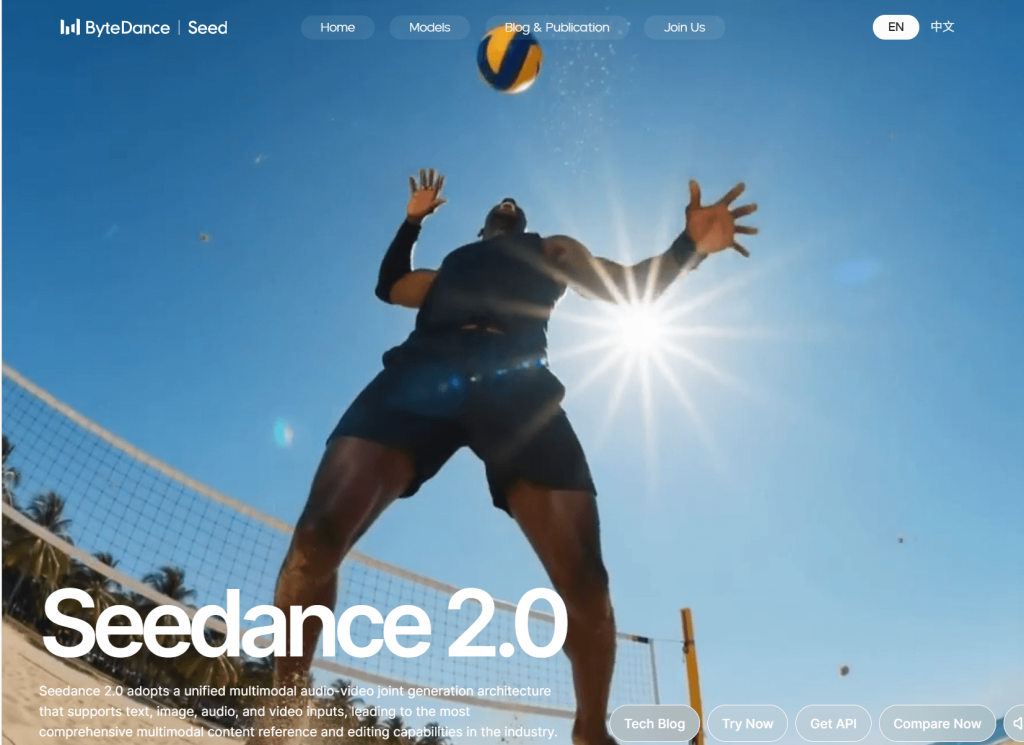
AI video generation tools have made it easy for anyone to convert their ideas to video almost instantly, with all that is required being text prompts or image uploads. These tools can create videos for almost any use case, such as storytelling or marketing, and Seedance AI 2.0 is an example of such a tool. The tool uses AI to offer quick video generation to users and eliminates the need for video production.
As we already know, the availability of AI tools has brought concerns about their responsible use. Traditionally, things like quality and performance of the output were a concern, but now we have to ask questions like, is it legal to use AI to create videos in which real people are featured? Is it ok to use protected content to create videos? And so on.
These questions are required to build an audience and to avoid the ethical concerns related to the use of the technology.
Why AI Video Safety Matters
AI video tools are designed to make video creation simple and also make creating advanced synthetic media even simpler. In just a few minutes, you can create a video and send it to hundreds, thousands, even millions of people, and because of this, users of the tool need to not only consider if the tool should be used to create a video, but also if the content is appropriate to create and publish.
Using the tool thoughtfully strives to protect the people, companies, and communities that AI-modified media might affect.
Understanding Copyright in AI Video Creation
One major misunderstanding about AI content is the belief that it becomes free from copyright issues, whereas that is false.
If a prompt or reference image includes copyrighted material, creators should consider the intellectual property rights attached to that content.
Some of these are:
- Movie characters
- Brand logos
- Licensed artwork
- Commercial photographs
- Protected animations
Creating AI content based on these examples does not transfer ownership or copyright issues that are copyright-related. In the end, the focus needs to be placed on new original ideas or on using only protected material in projects.
Respecting Personal Likeness
AI can now create fully functional human replicas, and because of this technology, having rights to your likeness is becoming more important.
Using someone else’s identity, appearance, or face without their consent can create legal and ethical issues. This is especially true when the content is misleading or is meant to look authentic.
This can affect:
- Public figures
- Celebrities
- Influencers
- Private individuals
- Clients and colleagues
There is no real way to answer all of these ethical questions, but a good rule of thumb to follow is that if a real person can be identified in any way in your AI video, get their permission first.
Avoid Creating Misleading Content
Video editing has come a long way thanks to the advancements in AI technology. Although innovations help open new realms of creativity, they can also be used unethically. Creating videos that purposely deceive an audience into thinking that a real event happened when it actually did not is wrong.
This can include:
- Fake interviews
- Fake news report videos
- Changed public statements
- Misleading demonstrations
Honesty helps keep your audience’s respect and gives them the ability to notice when you have used AI in your art.
Labeling AI-Generated Content
An increasing number of applications are keeping their creators accountable by implementing their own advertising policies. One solution is adopting the new labels like “Created with AI assistance” or “AI Generated,” that notify creators and marketers of the presence of artificial intelligence within their content.
This is particularly beneficial to the viewer when the creator’s content is:
- Reanimated from real-life events
- Digitally manufactured human characters are included
- Content that references actively evolving real-world events is posted
- Commercial ads are created and posted containing synthetic imagery
Labeling helps foster creativity, rational use, and adoption of AI within the user community.
Protecting Your Privacy
In many AI video generation services, you have to upload different types of media, and a lot of those services are in the cloud. Before sharing materials, there are some important privacy questions to ask.
- Does the platform explain how uploaded files are stored?
- Can users delete their uploads?
- Is prompt history saved?
- Are uploaded materials used for model improvement?
- Are privacy policies clearly explained?
Checking for these answers only takes a few minutes and helps keep creators safe in the long run.
Avoid Uploading Sensitive Identity Content
Not every picture should be processed by AI. When considering what to upload, you should be aware of the risks when uploading the following files:
- ID cards
- Passports
- Driving Licenses
- Financial Records
- Medical documents
- Personal and private Family Photos
Even if a company prioritizes the security of customer data, not exposing sensitive and private data is always preferred. Using sample images or other creative images is preferable to using personally identifying private documents.
Review Platform Terms Before Commercial Use
A lot of creators use AI-generated videos in their business, including ads, client projects, and social media.
Make sure to check a platform’s rules before you publish any commercial content, especially regarding:
- Commercial usage rights
- Ownership of generated content
- Attribution requirements
- Export restrictions
- Licensing conditions
Knowing this before you publish content helps reduce issues once you’ve gotten your business going with the content.
Store Important Files Locally
Even though cloud storage can be convenient, it is best to have file backups on physical storage in order to have more control over them.
Having backups of your source images, original prompts, exported videos, and project assets is smart because you can always have access to them if the platforms change their policies or delete your online projects.
Having backups also helps you stay more organized so you can continuously make improvements.
Responsible Prompt Writing
Using AI frequently starts with creating effective prompts. Instead of writing prompts in an attempt to copy real-life people, use your own imagination to create stories, fictional characters, creative concepts, and let your creativity flow with your arts. Good AI prompt usages may include:
- Making descriptions of your ideas or drawings
- Using your imagination to create fiction
- Not copying and pasting characters
- Using your characters in different cities
- Giving your characters new traits
Using this method, you may be able to avoid any ethical situation and use your creativity as much as you want.
Building Trust Through Responsible Creation
These days, people want more open and honest communication. Those who respect the copyright of those who came before them and who protect the privacy and the dignity of the people in their environments build a level of credibility that lasts, especially if they communicate when they employ the use of AI in their work.
Using AI with integrity means you actually have more room to be creative and to use tools to think outside the box, not just in a safe way, but in a way that inspires thoughtful, creative, AI-powered education, marketing, entertainment, and art.
As AI technology continues to evolve, trust and transparency become the new norms, and AI will find its place powered by the latest tools for the most fun and creative things you can imagine.
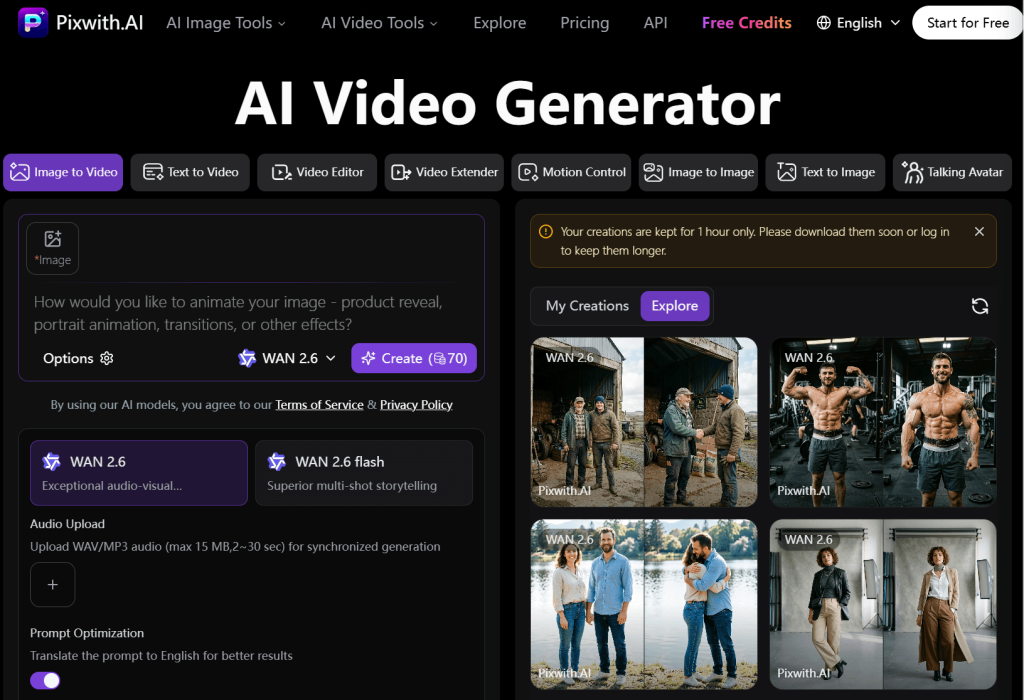
Where Pixwith Fits Into a Privacy-Conscious Workflow
Many creators need tools that let them be creative while also being easy to use, and Pixwith allows people to work in a privacy-protecting way. Pixwith doesn’t invite too much messing around; instead, it lets creators focus on good ideas and is a good work fit. For users who value transparency, simplicity, and image-to-video generation, straight-to-the-point work is better than a friction-to-creation ratio.
Conclusion
Seedance AI 2.0 provides creators with excellent tools for making creative videos and ideas come to life, but making responsible use of AI is just as important as making good visuals.
Respecting copyright, obtaining consent for use of likeness, confidentiality and privacy, scrutinizing platform terms, and labeling AI creations when required improve creative practices based on safety and trust.
The future of AI video-making software relies on the advancement of technology and also on responsible use and consideration by the creators. Protect your work, respect others, and build audience trust by using AI for storytelling in the ways recommended.